


Can the Adult Brain Repair Itself?
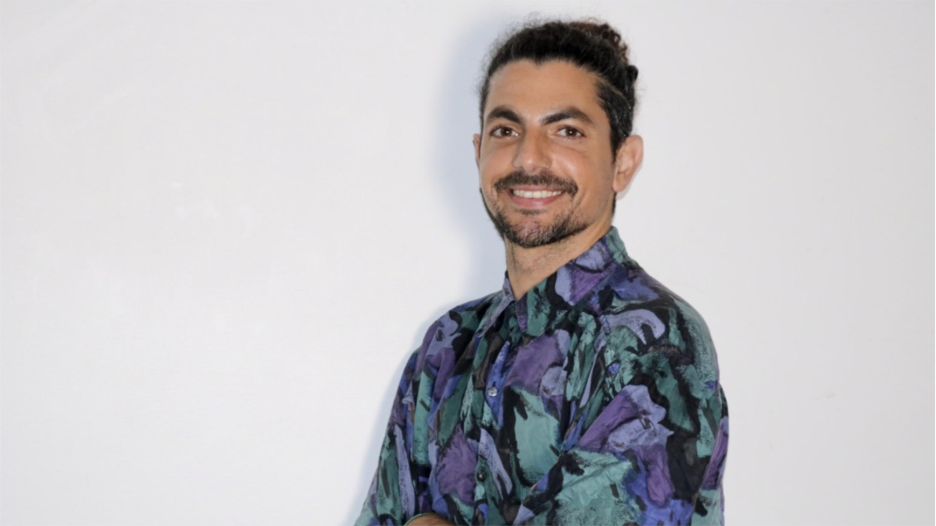
For more than a century, scientists believed that once brain cells are lost, they are gone for good. Dr. Roy Maimon is building his lab around a bold question: What if that assumption is wrong?
Why Huntington’s Disease?
Roy did not begin his scientific career in Huntington’s disease (HD). But he was drawn to it for a strategic reason.
Unlike many brain disorders, HD is caused by a single known genetic change in the huntingtin gene. That mutation can be measured years, even decades, before symptoms begin. Because the cause is clear, researchers can precisely follow disease progression in the brain over time.
HD also affects specific parts of the brain in a fairly predictable pattern. The earliest damage occurs in deep brain regions that help control movement, motivation, and thinking. This consistency allows scientists to concentrate their research focus on these regions, making HD an unusually powerful system for studying how and why brain cells die.
In a recent article, Roy described HD as “the best investment in neuroscience today”. Not because it is easy, but because its genetic clarity makes it one of the clearest paths to understanding (and potentially repairing) the brain.
Moving Beyond Slowing Disease
Most current treatment strategies in HD focus on slowing progression. Many aim to reduce levels of the harmful huntingtin protein.
Roy’s lab is asking a different but complementary question: What if we could replace or regenerate the brain cells that have already been lost?
Most cells in the brain have a limited potential to regenerate, but there are rare regions of “stem cell niches” that retain a small capacity to reproduce new brain cells. In HD, some of the most affected brain areas sit near one of these niches, making it a promising setting to test whether the brain’s own cells can be reactivated.
Roy’s goal is not simply to repair the brain by transplanting new cells from the outside. Instead, he wants to see whether the brain’s own cells can be reawakened or reprogrammed to become functional neurons in the areas where HD causes the most damage.
In other words, instead of only protecting what remains, can we help the brain rebuild?
If that works in HD, the implications would extend far beyond one disease.
Science as a Jam Session
Roy is also a drummer. For a time, he seriously considered becoming a professional musician.
That mindset shows up in his science.
In another recent essay, he described research as a “scientific jam session”. Just as musicians improvise together to create something new, scientists from different backgrounds can gather around shared data and explore it in real time.
He argues that real breakthroughs often happen during these collaborative sessions — when engineers, biologists, and computational scientists look at the same problem from different angles.
Now, as he launches his lab in the Department of Biomedical Engineering at New York University, Roy is intentionally placing himself in that kind of interdisciplinary environment. He believes that solving regeneration will require not just biology, but engineering, computation, and creativity.
The Support Behind the Science
Roy received funding from HDSA and the Bev Hartig Huntington’s Disease Foundation while he was a senior postdoctoral fellow. For him, the award meant more than financial support. It was validation of his ideas, and the confidence to take them further.
That early support helped him generate the data needed to apply for a highly competitive NIH career award, which ultimately supported his transition to independence and his new faculty position.
Just as important was the community. In his writing, Roy has described the HD field as uniquely collaborative and deeply personal. Scientists, clinicians, and families often share the same space. That shared purpose shapes how research is done and why it matters.
Looking Ahead
Roy’s lab is tackling one of the biggest open questions in neuroscience: Is damage to the adult brain permanent, or can it repair itself?
Huntington’s disease, with its clear genetic cause and predictable progression, offers a rare opportunity to test that question carefully and rigorously.
If the answer is yes — even partially — it would not only change the future of HD research. It would reshape how we think about treating many brain disorders.
And it all starts with asking whether we are ready to challenge a century-old assumption.