

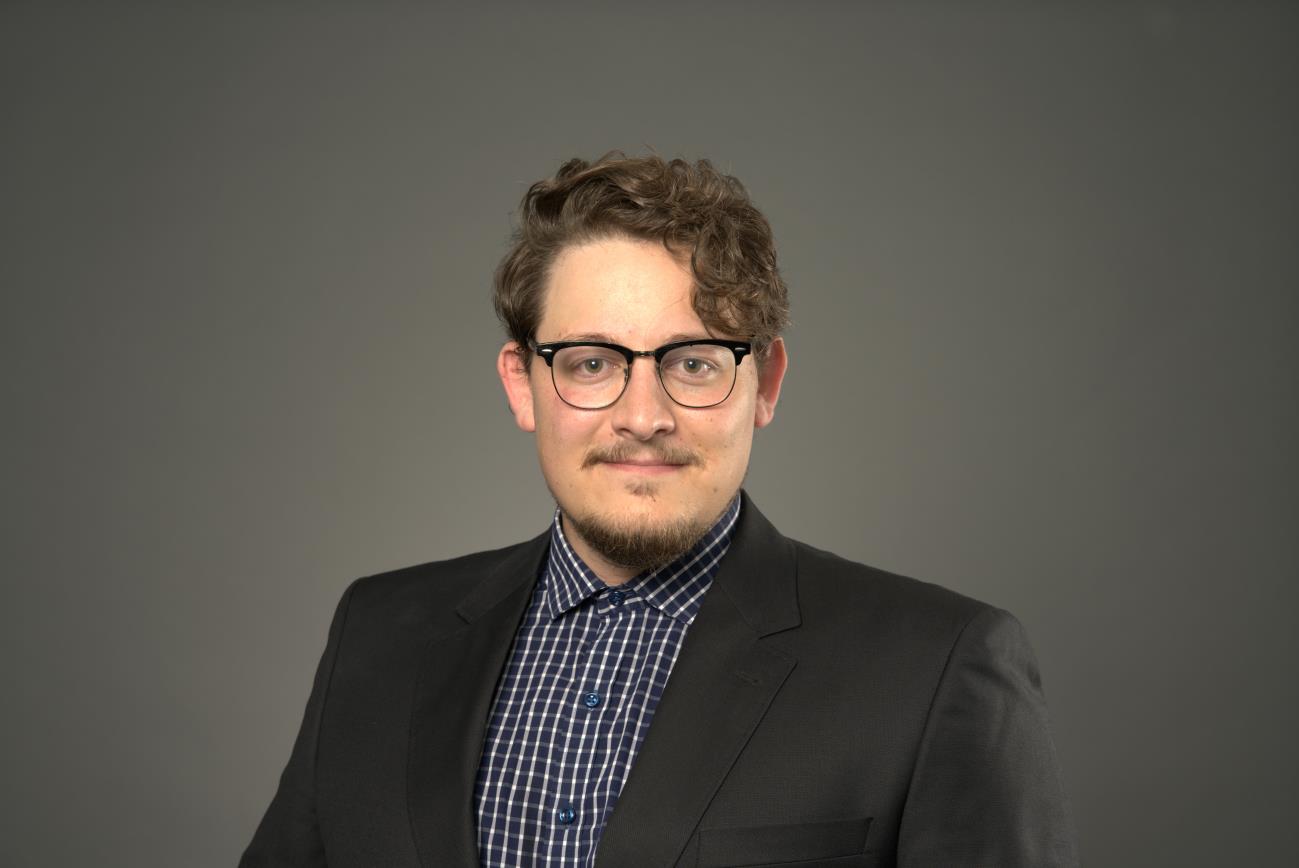
Dr. Thiago Macedo e Cordeiro, MD, MS
Postdoctoral Research Fellow
The Glenn Biggs Institute for Alzheimer’s and Neurodegenerative Diseases | The University
of Texas Health Sciences Center at San Antonio
Putting Out the Fire: A Different Kind of Progress in Huntington’s Disease
Written by Dr. Tam Maiuri
Edited by Dr. Kaitlyn Deschamps
When people talk about Huntington’s disease (HD) research, the focus is often on the future: gene therapies, disease-modifying drugs, and the hope of slowing or stopping the disease entirely. That hope is real, and it matters. But Dr. Thiago Macedo e Cordeiro would be the first to tell you it’s only part of the picture.
He describes the situation with a metaphor that stays with you: a house on fire. Researchers are working to understand how the fire started, tracing it back to the paint, the structure, the cause. But for the person inside, that’s not the most pressing question. They need to know how to put the fire out right now. That question sits at the center of Thiago’s work.
What Help Might Look Like
For people taking part in Thiago’s study, the experience is surprisingly ordinary. Participants wear a lightweight headband connected to a small device, roughly the size of a phone, for 30 minutes a day. During that time, they can watch TV, scroll on their phone, or do chores around the house. There are no injections, no hospital visits for each session, and minimal side effects. Keeping it that simple is a deliberate choice: the whole point is to develop something patients could eventually use on their own, at home, without needing to come into a clinic.
What’s Actually Happening in the Brain
The technology is called transcranial direct current stimulation, or tDCS. To understand how it works, it helps to think about neurons as switches: they fire when something provides enough of a push to flip them on. If a pacemaker regulates that switching for the heart, tDCS works more like a volume dial for the brain. It doesn’t force neurons to fire. Instead, it gives them a kind of preload, turning up their readiness so that when a signal does come, less effort is needed to respond. This is done by delivering a very low electrical current through a headband to the prefrontal cortex, the part of the brain involved in mood regulation, motivation, and cognitive function.
The technology has been studied for decades in other conditions, including depression, and recently received its first FDA approval for home use. Whether it translates meaningfully to HD is exactly what Thiago’s work is trying to find out. His focus is not on movement symptoms but on mood, motivation, anxiety, and cognitive function. These non-motor symptoms often appear earlier in the disease and can have a major impact on daily life. Across neurodegenerative diseases, he notes, they’re frequently what matters most to people’s quality of life.
How This Is Being Tested
Thiago and his team started with people in the early to middle stages of HD in an open-label study, meaning participants knew they were receiving the treatment and there was no control group. This kind of study can’t rule out placebo effects, but it’s a necessary first step for seeing whether an approach is worth pursuing at all. That initial phase is now nearing completion with ten participants, and a more rigorous crossover trial is underway, where the same participants receive both real and sham stimulation at different phases of the trial, so they serve as their own controls.
Alongside this, the team is beginning to incorporate brain monitoring measures into the protocol. They’re using EEG, which captures electrical activity in the brain, alongside functional near-infrared spectroscopy (fNIRS), which measures blood oxygenation in the frontal regions of the brain being targeted by the stimulation. The goal is to get a clearer picture of what the stimulation is doing to the brain, both during and after treatment.
What They’re Seeing So Far
The early results are encouraging, though Thiago is careful about how much weight to put on them at this stage. In the open-label study, participants showed improvements across mood, anxiety, apathy, and cognitive performance. On average, cognitive scores on the MoCA, a scale widely used in clinical practice to screen for cognitive decline, improved enough that the group’s scores crossed above the threshold that indicates mild cognitive impairment.
The pattern of results is consistent with what researchers would hope to see from a study at this stage, and gives the team reason to think something real is happening: symptoms improve during treatment and return once it stops, suggesting the stimulation itself is driving the change. At the same time, these results come from a small study where all participants knew they were receiving the treatment, which makes it impossible to rule out placebo effects. The ongoing crossover trial, where participants won’t know which sessions are real, will be critical for figuring out how much of the effect is genuinely due to the intervention.
Finding a Place in HD Research
Thiago’s path into HD research wasn’t planned. Trained as a medical doctor in Brazil, he came to the United States to continue his research in neuropsychiatry, and it was there that he was introduced to the field, largely by chance. What drew him in was partly the science. Because HD has a single known genetic cause, it offers a rare window into the mechanics of neurodegeneration, one with implications that could reach well beyond HD itself. But what kept him there was the community.
Patients and families, he says, approach research with a directness that’s hard to ignore. They want to know what might actually help, not just in the theoretical sense, but in their daily lives and for future generations. That clarity of purpose has shaped how he thinks about both the work and the responsibility that comes with it, and he’s not shy about saying he may never want to leave the field.
Hope, Without Hype
If there’s one thing Thiago would change about the research landscape, it’s not the technology. It’s how expectations are set. “I feel like we shouldn’t rush where we put our hopes,” he says. For a community that has lived through cycles of promising early results followed by disappointment, that sentiment carries real weight. The emotional toll of hope raised and then fallen is genuine, and researchers have a real role in managing it honestly. Thiago’s approach is to be straightforward about what the data shows and, just as importantly, what it doesn’t. Progress matters, but so does context.
Rethinking Progress
Not every advance in HD research will come in the form of a cure. Some will be smaller, more practical steps: a tool that can be used at home, a way to ease symptoms that affect daily life, an approach that is low-cost, scalable, and accessible. Those efforts don’t replace the search for disease-modifying treatments, but they don’t have to. For the people living with HD right now, finding something that relieves even part of the burden matters enormously, and that’s worth pursuing on its own terms, even as the longer search continues. 2026-04 HDSA Researcher Spotlight
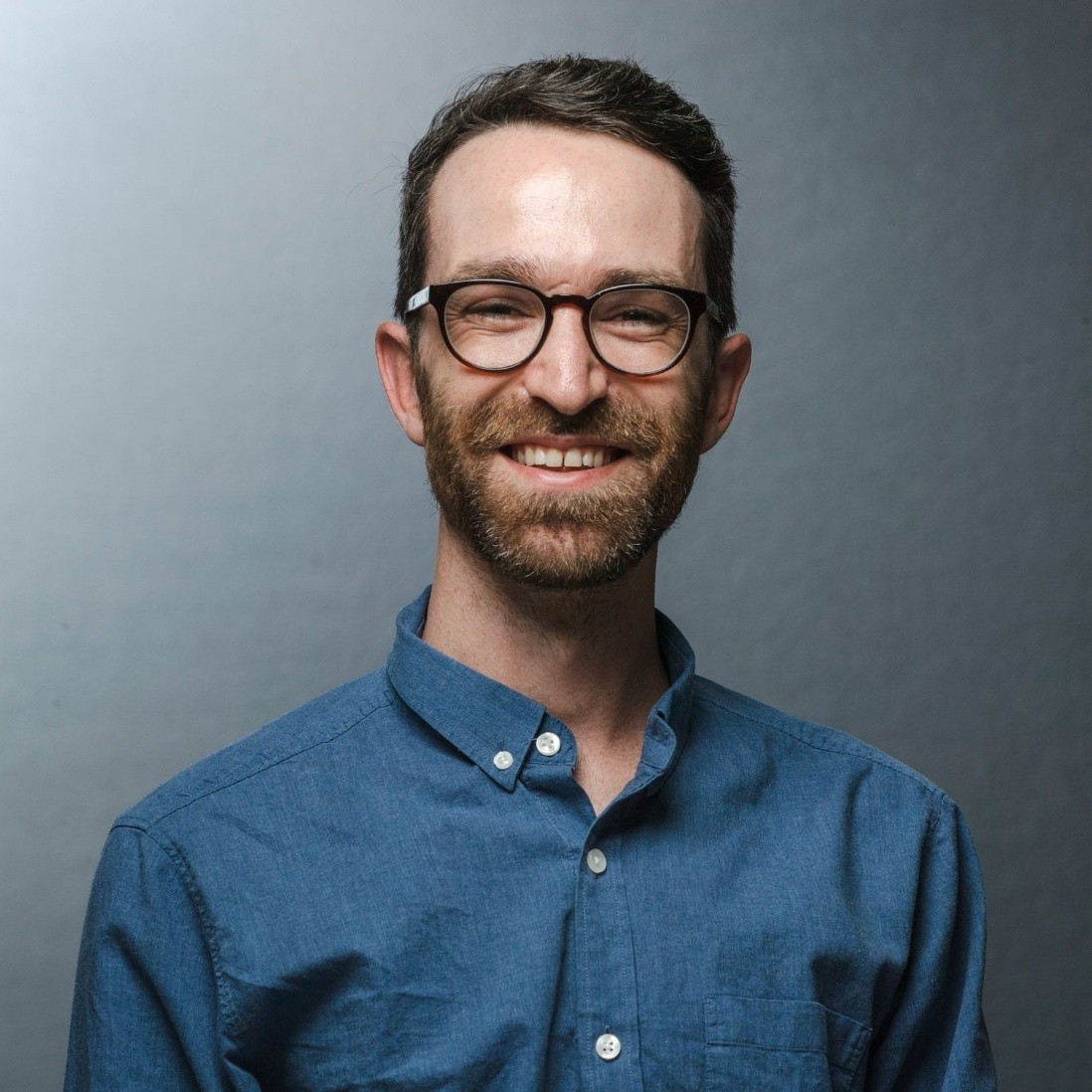
Dr. Zachariah McLean
Shepherding Scientific Discoveries 2024 HD Human Biology Fellow, Dr. Zachariah McLean, Massachusetts General Hospital Written by Dr. Tam Maiuri Edited…
Learn More
Dr. Roy Maimon
Can the Adult Brain Repair Itself? 2023 HD Human Biology Project Fellow, Dr. Roy Maimon, New York University Written by Dr….
Learn More
Dr. Thiago Macedo e Cordeiro, MD, MS
Putting Out the Fire: A Different Kind of Progress in Huntington’s Disease 2023 HD Human Biology Project Fellow, Dr. Thiago Macedo…
Learn More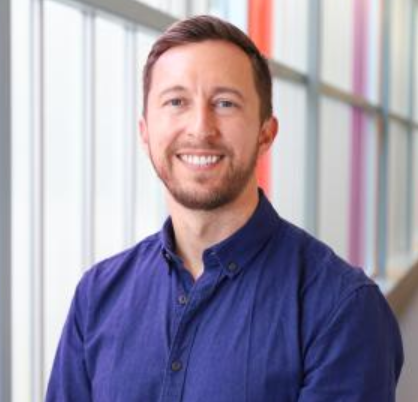
Dr. Chris Kay
Uninterrupted: Dr. Chris Kay on Somatic Expansion, an Unusual Brain Bank, and the Next Chapter of HD Genetics 2023 HDSA…
Learn More
Dr. Jessica Dawson
Why tiny changes in DNA can make a big difference in Huntington’s disease 2023 HD Human Biology Project Fellow, Dr. Jessica Dawson, University…
Learn More
Dr. Natalia Pessoa Rocha
Follow Your Nose: A New Way of Tracking Early HD Changes 2023 HD Human Biology Project Fellow, Dr. Natalia Pessoa Rocha, The…
Learn More
Dr. Xiangrui “Taylor” Zeng
Seeing Beneath the Surface: How Artificial Intelligence Could Reveal Hidden Clues in the HD Brain 2023 HD Human Biology Project Fellow,…
Learn More
Dr. Yifat Glikmann-Johnston
2020 HD Human Biology Project Fellow Monash University Mentors: Julie Stout and Anthony Hannan HDSA’s HD Human Biology Project Fellowship…
Learn More
Dr. Leonard Sokol
2021 HDSA Clinical Research Pilot Grant Recipient Department of Neurology, Northwestern Feinberg School of Medicine; Divison of Palliative Medicine, Department…
Learn More
Dr. Richard Hickman
2018 HDSA Human Biology Project Fellow Columbia University Irving Medical Center Mentors: Ai Yamamoto, PhD, Jean-Paul Vonsattel, MD, Karen Marder,…
Learn More
Dr. Osama Al Dalahmah
2019 Human Biology Project Fellow Columbia University Mentors: Jean Paul Vonsattel, MD, James Goldman MD, PhD What initially inspired you…
Learn More
Dr. Yasaman Gholamalipour
2020 HDSA Berman-Topper Fellow University of Massachusetts Medical School Mentors: Neil Aronin, MD, and Michael Brodsky, Ph.D. What initially…
Learn More
Dr. Nicholas Caron
2019 HDSA Berman-Topper Fellow University of British Columbia Mentor: Michael Hayden, MB, ChB, PhD, FRCP(C), FRSC Can you tell us…
Learn More
Dr. Saül Martinez-Horta
2019 HDSA Human Biology Fellow Movement Disorders Unit, Hospital de la Santa Creu i Sant Pau, Barcelona Mentors: Jaime Kulisevsky,…
Learn More
Dr. Lauren Byrne
With a shared goal of bolstering opportunities for young HD researchers and generous support from the Berman and Topper families, HDSA launched the Berman Topper HD Career…
Learn More
Danielle Larson, MD
Danielle Larson, MD 2019 HDSA Human Biology Fellow Northwestern University Mentors: Danny Bega, MD, MSCI & Tanya Simuni, MD “TeleHD:…
Learn More
Dr. Amber Southwell
The HD Human Biology Project allows HDSA to foster innovative patient-focused research to help the HD community better understand the…
Learn More
Dr. Sophie Andrews
“The HD Human Biology Project allows HDSA to foster innovative patient-focused research to help the HD community better understand the…
Learn More
Dr. Marie Didiot
The HD Human Biology Project allows HDSA to foster innovative patient-focused research to help the HD community better understand the…
Learn More
Dr. Rocio Gomez-Pastor
Meet Dr. Rocio Gomez-Pastor, whose HDSA HD Human Biology Project Fellowship helped her transition to university faculty and pursue long-term…
Learn More
Dr. Natalia Pessoa Rocha
Meet Dr. Natalia Pessoa Rocha, who is supported by HDSA’s Human Biology Project. Dr. Rocha is using brain imaging techniques…
Learn More
Dr. Madeleine Sharp
Dr. Madeleine Sharp was awarded an HDSA Human Biology Project Fellowship in 2016 and presented her work at HDSA’s 2018…
Learn More
Dr. Rachel Harding
Meet HDSA’s 2018 Berman-Topper fellow Dr. Rachel Harding, who is working with Drs. Cheryl Arrowsmith and Ray Truant to understand…
Learn More